
 See Our Latest Article on HelloNation

What Is Chiropractic Care?
Chiropractic care is a healthcare approach focused primarily on diagnosing and treating issues related to the spine, joints, and musculoskeletal system. Treatment typically involves manual adjustments, gentle manipulations, and exercises designed to restore mobility or alleviate discomfort. While spinal health is a key aspect, chiropractic care can also address headaches, postural imbalances, and support overall wellness.
Modern chiropractic practices incorporate patient education, ergonomic advice, and practical guidance designed for everyday activities, which is particularly relevant for area residents who manage seasonal tasks like snow shoveling, gardening, and property maintenance.
Is Chiropractic Treatment Safe?
For most adults and children, chiropractic care is generally considered safe when performed by a trained professional following appropriate assessment. Minor side effects, such as soreness or mild discomfort, may briefly occur after adjustments. Serious complications are rare, but those with certain health conditions—such as severe osteoporosis, recent spinal surgery, or known spinal instability—should seek medical advice before pursuing spinal manipulation.
Many families in the city appreciate non-pharmaceutical pain management, but anyone with pre-existing health conditions should discuss risks and benefits with a medical provider before starting any new health treatment.
What Conditions Can Chiropractic Care Help Address?
Chiropractic care aims to support the body's natural ability to heal and function optimally. Residents in Milton often seek help with:
- Low back pain and neck pain
- Tension and migraine headaches
- Sciatica or nerve discomfort
- Muscle strains from outdoor projects or home improvements
- Posture issues from desk work or device use
- Joint stiffness or decreased flexibility
Chiropractic treatment is most commonly associated with back pain, but its scope can include a variety of musculoskeletal complaints. Those with chronic pain after slips on ice or repetitive motions may find adjustments or supportive exercises beneficial, provided an underlying injury has been ruled out.
Do Adjustments Hurt?
Chiropractic adjustments are usually not painful. Most people describe a brief feeling of pressure or mild popping. Some may experience temporary soreness similar to post-exercise muscle fatigue. Communicate openly about any discomfort during visits—a good provider will adjust techniques as needed, especially for those new to care or with sensitivity concerns.
First-time visitors in the community are often surprised by how gentle adjustments can be. Careful techniques accommodate all ages, including children and seniors.
How Many Visits Are Typically Needed?
The number of sessions varies depending on the issue, its severity, and personal health goals. Acute injuries, like a recent strain, might improve after a few visits, while chronic conditions may benefit from ongoing care and periodic check-ins. Some choose to see a chiropractor regularly for preventative support or to help manage discomfort tied to recurring activities, such as seasonal yardwork or lengthy daily commutes.
A typical plan might look like:
- Initial assessment and frequent visits for the first few weeks
- Reduced frequency as symptoms improve
- Maintenance visits or self-care guidance for long-term wellness
Individual progress and preferences ultimately shape the care timeline.
Can Chiropractic Care Help With Seasonal Activities?
Yes, chiropractic advice can be especially practical for community members tackling local chores. For example:
- Shoveling snow—Learning safe lifting techniques and stretches can reduce the risk of lower back pain.
- Spring gardening—Advice tailored to repetitive bending and lifting may prevent stiffness.
- DIY repairs—Guidance on posture and periodic breaks helps minimize strain from extended projects.
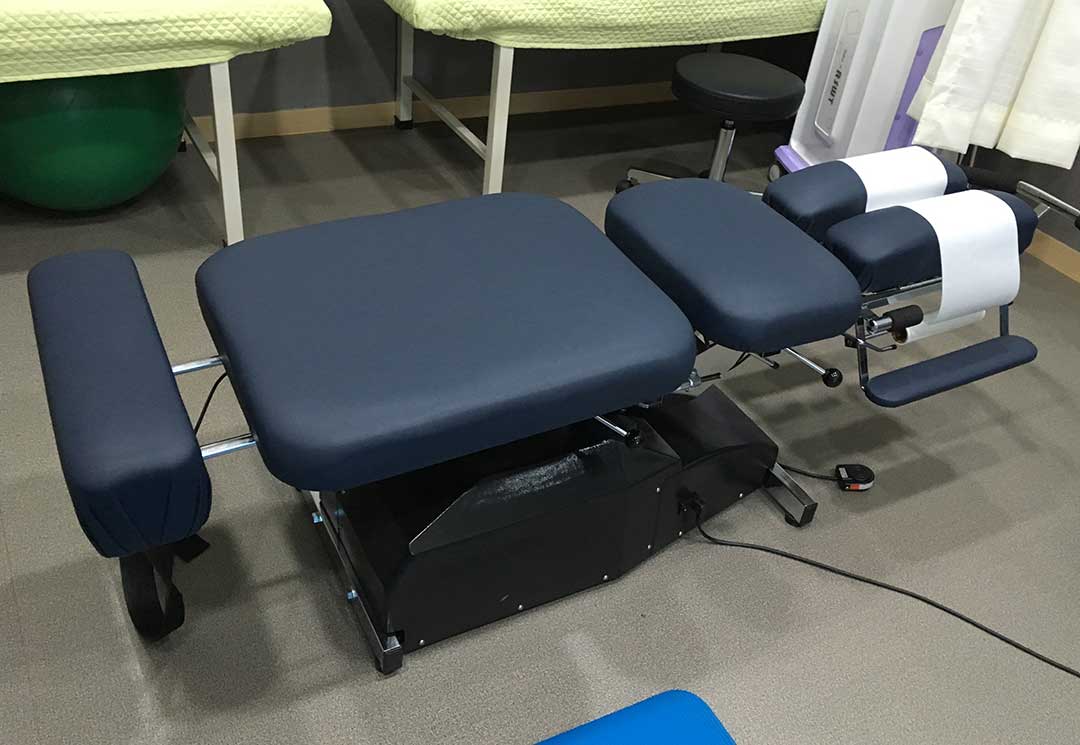
Local chiropractors may also share tips on avoiding common household injuries, supporting wellness throughout changing weather and activity patterns.
Are There Risks for Specific Groups, Like Seniors or Children?
While most age groups can benefit from chiropractic care, certain precautions are taken for vulnerable groups in the city:
- Seniors—Gentler techniques and lower-force adjustments are prioritized to protect bone density and joint integrity.
- Children—All interventions are tailored to suit growth and development needs, with a strong emphasis on safety and comfort.
Pregnant individuals, athletes, and those with chronic illnesses should seek a personalized assessment to ensure any treatment is appropriate for their specific situation.
How Can Residents Decide if Chiropractic Care Is Right for Them?
Those thinking about starting chiropractic care may wish to:
- Consider current symptoms, pain patterns, and any underlying medical conditions
- Review prior treatments that have been tried (such as medication, physical therapy, or home exercises)
- Take note of lifestyle factors unique to living in the region, such as engaging in year-round physical activities, seasonal chores, or long commutes
- Speak with a trusted healthcare provider before starting care—especially for those managing complex health issues or on multiple medications
Community members often balance chiropractic care as part of a broader wellness approach that includes exercise, healthy eating, and self-care.
Is Chiropractic Care Covered by Insurance Plans?
Some health insurance plans in the area offer partial or full coverage for chiropractic services, usually limited to medically necessary treatments for acute pain or injury. Coverage varies widely, and preventive or maintenance visits are less likely to be included. Local residents are encouraged to verify details directly with their health plan to better understand any requirements, such as doctor referrals or visit limits.
Medicare may cover a limited range of chiropractic services for certain age groups under specific conditions. Coverage rules can change, so confirming benefits before beginning care is always a practical step.
What Should First-Time Visitors Expect?
A typical first visit includes a health history review, a physical exam, and a discussion of symptoms and goals. Sometimes imaging—such as X-rays—is suggested if there's a concern about the underlying cause of pain, but it is not always necessary.
Patients are encouraged to wear comfortable clothing for easy movement. The treatment plan is usually explained before any procedure begins, and questions are always welcome throughout the process.
