
 See Our Latest Article on HelloNation
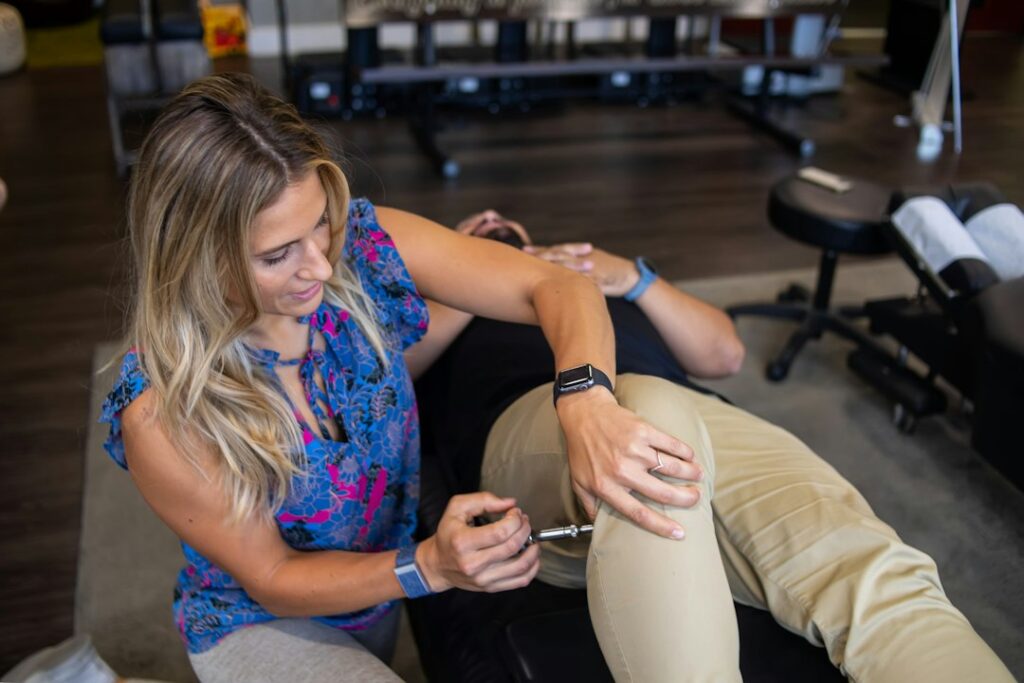
Are chiropractic care and physical therapy the same?
No. Chiropractic care and physical therapy overlap in some methods, but they usually emphasize different parts of recovery.
Chiropractic care commonly focuses on evaluating and treating problems involving the spine, joints, muscles, and nervous system. Treatment may include spinal manipulation, joint mobilization, soft-tissue work, movement advice, and exercises.
Physical therapy is generally structured around restoring movement, strength, balance, coordination, and function. A physical therapist may use therapeutic exercise, hands-on techniques, gait training, flexibility work, and education about how to perform daily activities with less strain.
The two fields are not automatically competing approaches. For some musculoskeletal problems, manual treatment may help reduce discomfort or improve mobility, while exercise and activity training help a person maintain those changes.
What does chiropractic care typically address?
Chiropractic care often addresses mechanical pain or stiffness affecting the back, neck, hips, shoulders, and other joints. A typical evaluation may consider posture, joint motion, muscle tension, coordination, work demands, activity habits, and symptoms that may suggest a problem outside routine musculoskeletal care.
Spinal manipulation is one technique used by chiropractors. It involves a controlled force applied to a spinal joint. Mobilization is a related but gentler technique that moves a joint through its available range without a quick thrust. Both chiropractors and physical therapists may use manual therapy, although the methods and clinical reasoning can differ.
Chiropractic care may also include:
- Recommendations for modifying aggravating activities
- Stretching or strengthening exercises
- Advice about lifting, sitting, sleeping, or work posture
- Soft-tissue techniques
- Guidance for gradually returning to normal activity
The quality of care depends less on a single technique than on whether the examination is appropriate, the treatment matches the person’s condition, progress is monitored, and safety concerns are recognized.
What does physical therapy add?
Physical therapy often provides a more detailed progression of active rehabilitation. The goal is not only to make a painful area feel better but also to improve how the body performs a task.
For example, someone with recurring low-back pain may need more than short-term relief. Physical therapy may address hip and trunk strength, lifting mechanics, endurance, balance, and confidence with movement. Someone recovering from an ankle injury may need mobility work early on, followed by strengthening, balance exercises, and sport- or job-specific activity.
Physical therapy can be especially useful when a person needs to:
- Rebuild strength after an injury or period of inactivity
- Improve balance and reduce fall risk
- Restore movement after surgery or immobilization
- Return safely to work, exercise, or household responsibilities
- Learn a long-term exercise and self-management routine
In practice, active rehabilitation is often a central part of lasting improvement, whether or not manual treatment is also used.
Can someone receive both types of care?
Sometimes, yes, but combined care should be coordinated rather than duplicated. A person may receive chiropractic treatment for joint mobility or symptom relief while following a physical therapy program focused on strength, balance, and function.
Communication matters. Each provider should understand the person’s symptoms, medical history, treatment goals, current exercises, and response to care. Without coordination, treatment can become repetitive, confusing, or unnecessarily expensive. Exercises may also need to be adjusted if manual treatment temporarily changes soreness, range of motion, or activity tolerance.
A practical example might involve a resident who develops back stiffness after shoveling, carrying supplies, or spending long periods seated during winter weather. Short-term hands-on care may help with comfort, while a progressive program for hip strength, trunk endurance, lifting technique, and regular movement may address factors that contribute to recurrence.
Which approach is better for back or neck pain?
Neither approach is automatically better for every person. The appropriate plan depends on the cause of symptoms, their duration, severity, medical history, physical findings, and personal goals.
For uncomplicated mechanical back pain, conservative care may include education, staying reasonably active, exercise, and selected manual therapies. For neck pain, treatment may involve posture and movement education, strengthening, mobility work, and careful screening for nerve-related symptoms.
A useful question is not simply, “Which profession should be chosen?” A better question is, “What problem is being treated, and what combination of active and hands-on care is supported by the examination?”
Treatment should also change if symptoms are not improving. Repeated passive treatment without reassessment may overlook a need for a different diagnosis, additional testing, or referral to another type of clinician.
Are there risks or reasons to delay treatment?

Most people experience no serious problems from appropriately selected conservative musculoskeletal care, but no treatment is risk-free. Temporary soreness, stiffness, headache, or increased discomfort can occur after spinal manipulation or other manual techniques.
A thorough health history is especially important for people with osteoporosis, inflammatory conditions, recent trauma, blood-clotting problems, certain neurological symptoms, or other conditions that may affect treatment safety. Medications and previous surgeries should also be disclosed.
Urgent medical evaluation is more appropriate than routine chiropractic or physical therapy care when pain follows major trauma or is accompanied by symptoms such as:
- New or worsening weakness
- Loss of bladder or bowel control
- Numbness in the groin or inner thighs
- Unexplained fever or significant illness
- Unexplained weight loss
- Severe, sudden, or rapidly worsening pain
- Chest pain, shortness of breath, or fainting
These symptoms do not necessarily identify a specific diagnosis, but they require a different level of assessment.
How should a resident decide what type of care is needed?
Start by identifying the main goal. Someone seeking help with a stiff joint may be focused on mobility and pain reduction. Someone who has lost strength, balance, or confidence after an injury may need a structured rehabilitation program. Many people need elements of both.
Consider asking:
- What is the likely source of the symptoms?
- What will be done to measure progress?
- Will the plan include active exercises or only passive treatment?
- How will the treatment change if symptoms worsen or fail to improve?
- Are there reasons another medical evaluation is needed?
- Can the plan fit household, work, seasonal, and recreational demands?
For local residents, everyday conditions can influence recovery. Snow and ice may alter walking patterns, outdoor chores may increase lifting demands, and long periods indoors can reduce normal activity. These factors do not cause every musculoskeletal problem, but they can affect how symptoms begin and whether they return.
The most useful relationship between chiropractic and physical therapy is built around a shared objective: helping a person move safely, understand the problem, regain function, and maintain progress beyond the treatment setting.
